
Artist Overview
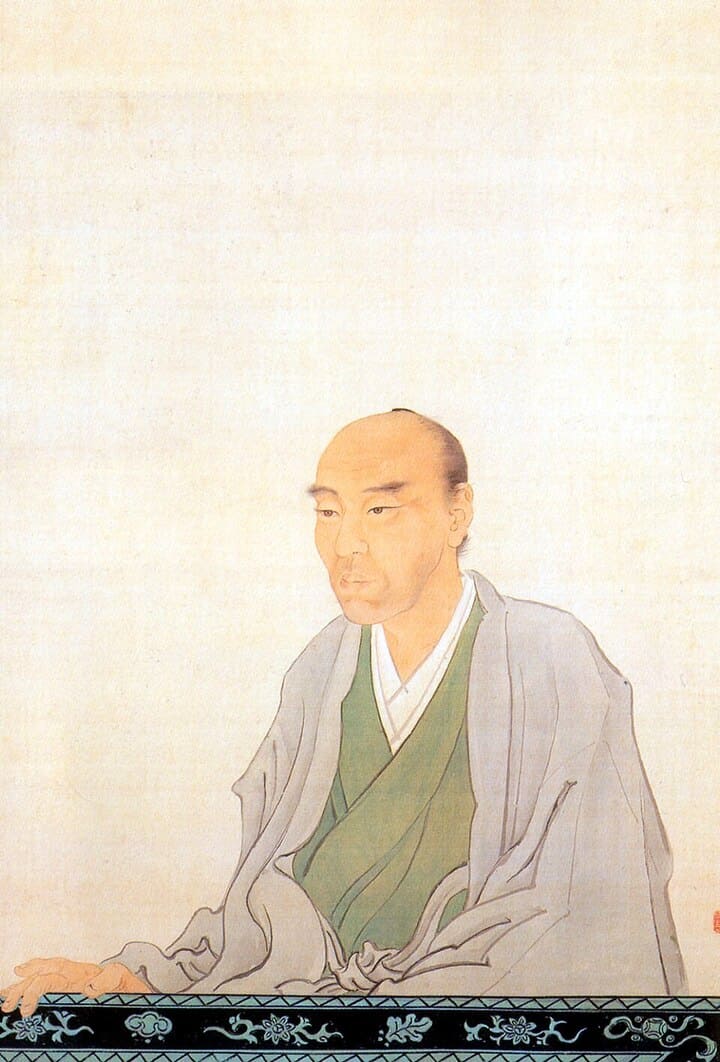
Kazan Watanabe1793~1841 渡辺崋山
Watanabe Kazan (1793-1841) was a samurai, painter, and thinker of the late Edo period, born in 1793 at the Tahara domain residence in Kojimachi, Edo (present-day Tokyo). From childhood he sold paintings to support his family, and from age 17 he studied under Kaneko Kinryo and then Tani Buncho, while also studying Neo-Confucianism under Sato Issai; he later served as a senior retainer (karo) of the Mikawa Tahara domain, leading administrative reforms and promoting local industry. During the Tenpo Famine, his food-storage measures saved the domain’s people, and he was the only domain official in the country to be officially commended by the shogunate. As a central member of the Shoshikai circle of Dutch-studies (rangaku) scholars alongside Takano Choei, he became well versed in Western affairs, but in 1839 he was punished in the Bansha no Goku incident and confined to Tahara, where in 1841 he committed seppuku at the age of 49. His representative works include the National Treasure portraits “Portrait of Takami Senseki” and “Portrait of Sato Issai,” and he established a distinctive style that combined Nanga (Southern School) painting with Western realist representation.