
The Timeless Beauty of Nihonga: Discover Classic Japanese Painting
- What Is Nihonga?
- The Materials That Make Nihonga Unique
- A Brief History of Nihonga
- The Cultural Beauty Behind Japanese Painting
- What Makes Nihonga Different from Western Painting?
- Why Collect Nihonga and Classic Japanese Paintings?
- Popular Themes in Nihonga
- How to Choose a Nihonga Painting
- Nihonga for Homes, Offices, Hotels, and Galleries
- Where to Buy Original Japanese Paintings Online
- Frequently Asked Questions About Nihonga
- Final Thoughts: The Quiet Power of Japanese Painting

Japanese painting has a quiet and lasting beauty. It does not always try to overwhelm the viewer with dramatic colors or strong visual effects. Instead, it invites us to slow down, look carefully, and appreciate the subtle beauty of nature, space, materials, and time.
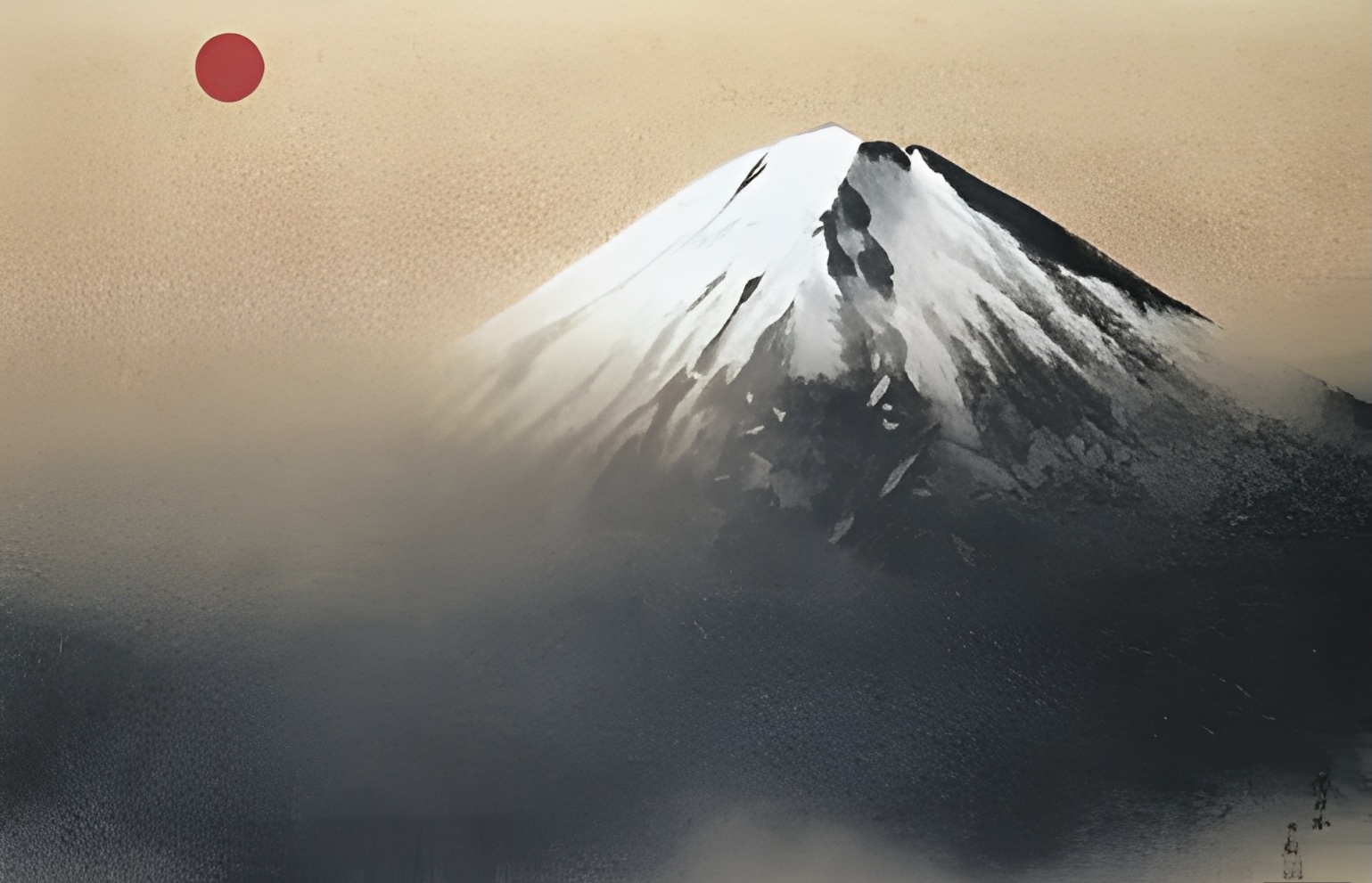
Among the many forms of Japanese art, Nihonga holds a special place. Created with traditional materials such as mineral pigments, sumi ink, washi paper, silk, gofun, and gold leaf, Nihonga reflects the refinement and cultural depth of Japanese aesthetics.
For international collectors, corporations, interior designers, and overseas dealers, original Japanese paintings offer more than decoration. They bring a sense of craftsmanship, history, and quiet elegance into a space.
Explore original Japanese paintings at Tokyo Dealers Stock
What Is Nihonga?
Nihonga is often translated as “Japanese-style painting.” It refers to paintings created with traditional Japanese materials and techniques. These works are often made with mineral pigments, sumi ink, gofun white pigment, nikawa animal glue, washi paper, silk, and sometimes gold or silver leaf.
Unlike Western oil painting, Nihonga does not usually use oil as a binding medium. Instead, pigments are mixed with nikawa, a natural glue, and carefully applied to paper, silk, or other traditional supports. This gives Nihonga its distinctive matte texture, delicate surface, and soft luminosity.
The beauty of Nihonga is not only found in the image itself. It also lives in the materials. The texture of mineral pigments, the depth of sumi ink, the softness of washi, and the glow of gold leaf all contribute to the presence of the artwork.
This material beauty is one of the reasons original Japanese paintings feel so different from reproductions or printed wall art. When displayed in a room, a Nihonga painting can create an atmosphere that is calm, refined, and deeply connected to Japanese culture.
The Materials That Make Nihonga Unique
One of the most fascinating aspects of Nihonga is its use of natural and traditional materials. Each material has its own character, and together they create the distinctive appearance of Japanese painting.
Mineral Pigments
Mineral pigments, known in Japanese as iwa-enogu, are made by grinding natural minerals into different particle sizes. These pigments create colors with depth, texture, and quiet brilliance.
Depending on how finely or coarsely the mineral is ground, the same color can appear soft, bright, textured, or richly dimensional. This gives Nihonga paintings a unique surface quality that changes subtly depending on the light and viewing angle.
Sumi Ink
Sumi ink has been used in East Asian painting and calligraphy for centuries. In Nihonga, sumi can be used for expressive lines, delicate shading, atmospheric landscapes, or monochrome compositions.
A single brushstroke can suggest movement, silence, emotion, or depth. This ability to express much with very little is one of the most elegant qualities of Japanese painting.
Washi Paper and Silk
Nihonga is often painted on washi paper or silk. Washi has a natural warmth and softness, while silk allows for fine details and a luminous surface. Both materials are deeply connected to Japanese craftsmanship.
The choice of support affects the entire mood of the painting. A work on washi may feel gentle and organic, while a work on silk may feel refined and graceful.
Gofun and Gold Leaf
Gofun is a traditional white pigment made from finely processed shells. It creates a soft and elegant white that is often used in Japanese painting. Gold and silver leaf may also be applied to add light, depth, and a sense of dignity.
These materials have long been associated with Japanese screens, temples, scrolls, and decorative arts. In Nihonga, they can create both quiet beauty and a refined sense of luxury.
A Brief History of Nihonga
The term Nihonga became especially important during the Meiji era, when Japan was encountering Western painting more directly. As new artistic methods entered Japan, artists and scholars began to define Japanese painting traditions in a clearer way.
Nihonga developed as a category of Japanese painting that respected traditional materials, techniques, and aesthetics. It preserved the spirit of Japanese art while allowing artists to continue exploring new compositions, subjects, and expressions within the Japanese painting tradition.
Its roots, however, reach much further back. Japanese painting has long been connected to nature, seasons, literature, religion, court culture, temples, screens, scrolls, and everyday life. Nihonga carries this long cultural memory through its materials and visual language.
This is why Nihonga continues to appeal to collectors today. It is not simply a style. It is a way of seeing beauty through Japanese materials, craftsmanship, and sensitivity.
The Cultural Beauty Behind Japanese Painting
Nihonga is deeply connected to Japanese ideas of nature, seasonality, silence, and space. Many works feature flowers, birds, mountains, rivers, mist, snow, moonlight, animals, or quiet moments from daily life.
These subjects may seem simple at first, but they often carry rich cultural meaning. A cherry blossom may suggest the fleeting nature of life. Autumn leaves may express change and reflection. A crane, pine tree, or plum blossom may symbolize longevity, resilience, or renewal.
In Japanese aesthetics, beauty is often found in subtle transitions: the beginning of spring, the fading of autumn, the silence after snowfall, or the stillness of water. Nihonga captures these moments with restraint and sensitivity.
This is why Japanese paintings can create such a calm and refined atmosphere in a room. They do not need to dominate the space. Instead, they harmonize with their surroundings.
What Makes Nihonga Different from Western Painting?
For many international collectors, one helpful way to understand Nihonga is to compare it with Western painting.
Western oil painting often emphasizes volume, shadow, perspective, and the physical thickness of paint. Nihonga, on the other hand, often emphasizes line, surface, texture, atmosphere, and the relationship between painted areas and empty space.
In many Japanese paintings, empty space is not simply background. It is part of the composition. It allows the viewer to breathe, imagine, and feel the atmosphere of the scene.
This use of space gives Nihonga a timeless quality. A painting may feel deeply traditional, yet it can also harmonize beautifully with refined interiors around the world.
Why Collect Nihonga and Classic Japanese Paintings?
Collectors around the world are drawn to Japanese paintings because of their refinement, cultural depth, and strong visual identity. Nihonga is especially attractive because it combines beauty, craftsmanship, and historical meaning.
1. A Connection to Japanese Culture
Owning a Nihonga painting means owning more than an image. It means owning a work connected to Japanese materials, seasonal sensitivity, artistic philosophy, and traditional craftsmanship.
For people who appreciate Japanese gardens, ceramics, architecture, tea ceremony, calligraphy, or design, Nihonga can be a natural and meaningful addition to a collection.
2. Originality and Presence
An original Japanese painting has a physical presence that reproductions cannot fully capture. The texture of mineral pigments, the softness of sumi ink, the glow of gold leaf, and the surface of washi or silk all contribute to the experience of the artwork.
When displayed in a room, an original painting can change the atmosphere of the space.
3. Harmony with Interiors
Japanese paintings work beautifully in many types of interiors. They can suit private homes, corporate offices, hotels, restaurants, reception areas, galleries, and carefully designed commercial spaces.
Because many Nihonga paintings use natural motifs and balanced compositions, they often create a calm and sophisticated impression.
4. Value for Collectors and Dealers
For private collectors and art dealers, Nihonga offers a distinctive category within Japanese art. Works may vary widely by artist, period, subject, size, condition, and price range, making the field interesting for both new buyers and experienced collectors.
As with any art purchase, it is important to consider the artist, condition, provenance, materials, signature, seal, and overall quality of the work.
Popular Themes in Nihonga
Nihonga includes a wide range of subjects. Some of the most popular themes include landscapes, flowers, birds, animals, Mount Fuji, seasonal scenes, figures, Buddhist imagery, and compositions inspired by nature.
Nature is especially important. Japanese painting often reflects a deep sensitivity to the changing seasons. Spring blossoms, summer greenery, autumn leaves, and winter snow each carry emotional meaning.
For international buyers, these themes can make Nihonga both visually beautiful and culturally meaningful. A painting of a flower, bird, or mountain is not only a decorative image. It may also express time, memory, elegance, and harmony with nature.
How to Choose a Nihonga Painting
Choosing a Nihonga painting is both a personal and practical decision. The right work should appeal to your eye, fit your space, and match your collecting purpose.
Choose a Subject That Resonates with You
Start with the motif. Do you prefer landscapes, flowers, animals, seasonal subjects, or traditional Japanese themes? A painting should create an emotional response. It should be something you want to live with, display, or share with others.
Consider the Space
Think about where the painting will be displayed. A small work may be ideal for a private study, bedroom, hallway, or intimate room. A larger work may be suitable for an entrance, living room, office, meeting room, hotel lobby, restaurant, or gallery wall.
The atmosphere of the space also matters. A calm landscape may create relaxation. A flower painting may add elegance. A work with gold leaf may bring brightness and dignity.
Look Carefully at Materials and Texture
When viewing a Nihonga painting, pay attention to the surface. Mineral pigments, sumi ink, silk, washi, gofun, and metallic leaf each create different visual effects.
Even when buying online, detailed images and clear descriptions can help you understand the quality and character of the work.
Check Artist Information and Condition
For collectors and dealers, artist background, title, medium, size, signature, seal, condition, and provenance are important. These details can affect the value, authenticity, and long-term satisfaction of the purchase.
Buy from a Trusted Source
Because Japanese paintings require knowledge of materials, artists, and condition, it is best to buy from a trusted specialist. A reliable seller can provide clear information and support international buyers through the purchasing process.
Nihonga for Homes, Offices, Hotels, and Galleries
Nihonga is suitable for many types of spaces.
In a private home, it can create a peaceful and personal atmosphere. In a corporate office, it can communicate refinement, cultural awareness, and quiet confidence. In a hotel or restaurant, it can help create a memorable Japanese atmosphere for guests. In a gallery or dealer collection, it can introduce clients to the depth and diversity of Japanese painting.
For overseas buyers, Nihonga is also a way to bring the spirit of Japan into a space without relying on mass-produced decoration. Each original work carries the hand of the artist and the character of its materials.
Where to Buy Original Japanese Paintings Online
If you are interested in purchasing original Japanese paintings, Tokyo Dealers Stock offers a curated selection of Japanese artworks for international buyers.
The platform introduces original works for collectors, corporations, interior designers, and overseas dealers who want to discover Japanese art online. Tokyo Dealers Stock focuses mainly on classic Nihonga and traditional Japanese paintings, while also introducing selected works that share the same refined Japanese aesthetic.
Whether you are looking for a refined piece for your home, a meaningful artwork for a corporate space, or Japanese paintings for your gallery clients, Tokyo Dealers Stock is a valuable place to begin your search.
Browse available Japanese artworks at Tokyo Dealers Stock
Frequently Asked Questions About Nihonga
Is Nihonga the same as traditional Japanese painting?
Nihonga is closely connected to traditional Japanese painting. It generally refers to Japanese-style painting created with traditional materials such as mineral pigments, sumi ink, washi paper, silk, gofun, and nikawa.
Is Nihonga only old art?
No. Nihonga has deep historical roots, but Japanese paintings rooted in traditional techniques continue to be appreciated today. The main appeal lies in the materials, craftsmanship, cultural meaning, and quiet beauty of Japanese painting.
Can Nihonga be displayed in refined interiors?
Yes. Nihonga often works beautifully in refined interiors because of its calm colors, natural themes, and balanced use of space. It can add warmth, elegance, and cultural depth to a room.
Is Nihonga suitable for corporate collections?
Yes. Nihonga can be an excellent choice for offices, reception areas, meeting rooms, hotels, restaurants, and other professional spaces. It creates a calm and sophisticated impression while reflecting Japanese cultural value.
What should I check before buying a Nihonga painting?
Important points include the artist, title, medium, size, condition, signature, seal, provenance, framing or mounting, and shipping method. When buying online, it is recommended to purchase from a trusted seller with experience in Japanese art.
Final Thoughts: The Quiet Power of Japanese Painting
Nihonga invites us to appreciate beauty in a quiet and thoughtful way. Its appeal lies in natural materials, refined techniques, subtle colors, and the careful balance between form and empty space.
For collectors, corporations, designers, and overseas dealers, Nihonga offers more than visual beauty. It offers a connection to Japanese culture, history, and craftsmanship.
Whether you are beginning your journey into Japanese art or expanding an existing collection, an original Nihonga painting can bring lasting meaning and elegance to your space.